Constraints
Curfews, crew rest and closed FBOs
When a late flight cannot happen, the reason is rarely the aircraft. It is usually one of three things: the airport, the crew or the terminal. Each has workarounds.
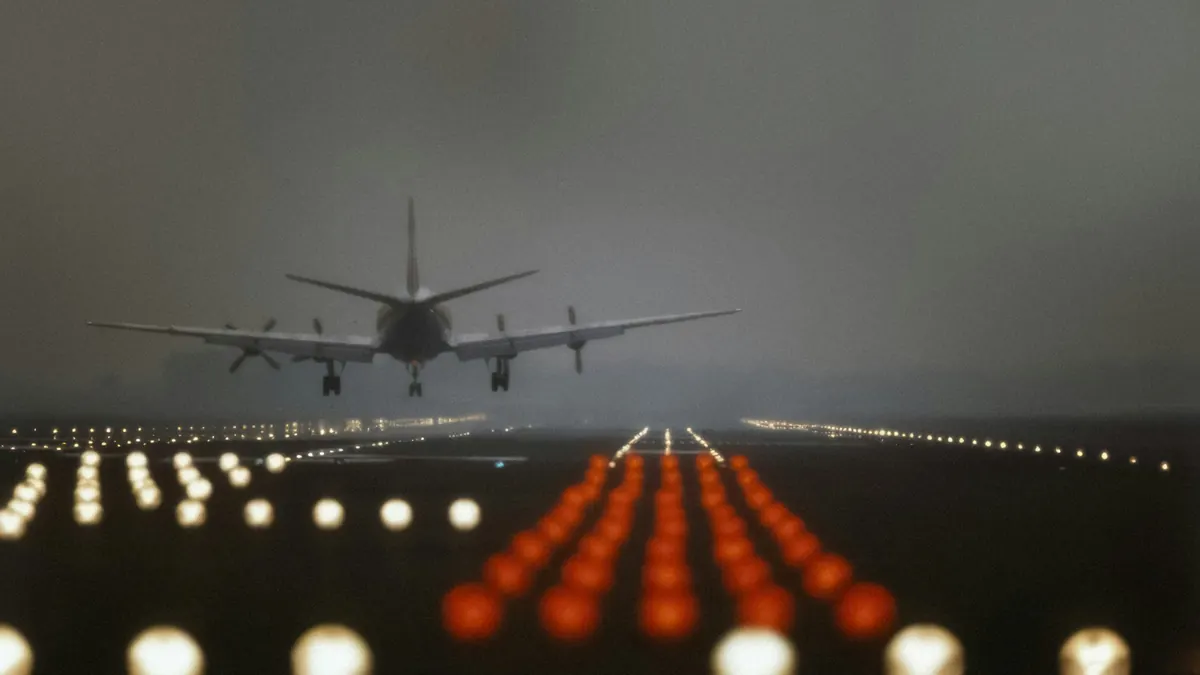
Private aviation has a reputation for going anywhere at any hour. Mostly that is fair. But late at night three sets of rules come into play, and understanding them helps you judge whether a request is realistic and what to ask for instead.
Curfews and noise rules
Airports sit next to neighbors, and many limit night flying to keep the peace. The rules come in two strengths. Some airports have formal curfews or operating hours outside which aircraft simply may not take off or land. Others have voluntary quiet hours and noise programs that operators are asked to respect, often with penalties for the loudest aircraft.
In Europe formal restrictions are common. London City, for example, has restricted operating hours. On the Riviera, Cannes and Saint-Tropez limit both aircraft size and operating hours, and Geneva restricts night operations. In the US, several busy business-aviation airports in the New York area ask operators to avoid late-night departures, and mountain airports such as Aspen add seasonal restrictions and high-elevation performance limits.
The rules apply at both ends. A departure at 11 pm is no use if the destination closes before you would arrive, so your advisor checks the arrival airport's hours as carefully as the departure's.
Crew duty and rest
Charter pilots in the US fly under FAA rules for on-demand operations, which set limits on flight time and require a minimum rest period before an assignment. Operators add their own, often stricter, policies. The rules are published in 14 CFR Part 135.
In practice this means a crew that has already flown a long day may not be legal to fly you tonight, even if the aircraft is sitting on the ramp. It also means a long trip starting late can run into the crew's limits before arrival. The answers are a crew that is rested and on standby, a fuel stop with a fresh crew, two full crews on board for long flights, or a departure after the crew's rest is complete.
These limits are not paperwork for its own sake. Fatigue is one of the risks the whole system is designed to manage, and an operator that refuses a flight because its crew is out of hours is doing its job.
One practical consequence: a crew's day starts when it reports for duty, not when the passengers arrive. A crew that reports at 4 pm for a flight that slips to midnight has spent much of its legal day waiting. That is why a late change to your departure time can mean a change of crew, too.
Closed FBOs
An FBO is the private terminal where you meet the aircraft. Many large ones stay open all night, but plenty of smaller ones close in the evening. A closed FBO can mean no one to handle the aircraft, no fuel truck and no lounge. Some will open after hours for a call-out fee; others cannot.
International flights add another layer: customs officers keep their own hours, and clearing in after hours may need prior arrangement or may not be possible at a given airport.
| Constraint | Why it exists | Common workaround |
|---|---|---|
| Curfew or quiet hours | Noise limits around the airport | Use a nearby field with longer hours, or leave at first light |
| Crew duty and rest | Pilot fatigue limits in the regulations | A rested standby crew, a fresh crew at a fuel stop, or a later departure |
| FBO closed | Staffing and opening hours | An after-hours call-out where offered, or another FBO or airport |
| Customs hours | Officer availability at the port of entry | Clear in at a different airport, or adjust arrival time |
Workarounds that often help
- A neighboring airport. Most metropolitan areas have more than one business-aviation field, and their hours and rules differ.
- First light instead of midnight. A 6 am departure after a full crew rest is often smoother, and sometimes better value, than a strained late-night option.
- A positioning crew. Some operators can fly a rested crew in to meet the aircraft, at a cost.
- A different aircraft. A longer-range jet can avoid a fuel stop that would otherwise push the crew past its limits.
Weather and daylight
Night adds its own layer at smaller airports. Some fields have no instrument approach or limited runway lighting, so they are only usable in good weather or daylight. Mountain and island airports can also restrict operations after dark for performance or terrain reasons. When a destination falls into this group, a late departure may have nowhere to land until morning, however willing the crew.
A worked example
Picture a request at 9 pm to fly from a New York field to a small island airport that closes in the evening. The departure airport asks operators to avoid late-night flights, the destination is already shut, and the obvious crew has flown all day. On paper that is three reasons to say no.
The workable version looks different: a rested crew on an aircraft based at a neighboring field, a departure at first light, and an arrival as the island airport opens. You lose the night but gain the whole next day on the island, which is usually what the trip was for in the first place.
How to ask the right way
The most useful thing you can share is the real constraint on your side. "I need to be in Palm Beach for a 9 am meeting" opens up options that "I need to leave at 11 pm" does not, including a 6 am departure that lands with time to spare. Your advisor can then work backwards from the deadline that actually matters.
The second most useful thing is honesty about flexibility. If another airport, another hour or a different aircraft would be acceptable, say so in the request.
Why a no is sometimes the right answer
Every constraint here protects something: neighbors' sleep, a pilot's alertness, a customs officer's procedures. When a late flight is not possible, a good advisor tells you clearly and offers the best legal alternative. That is worth more than an optimistic promise that falls apart at midnight.
Check your timing first
Our outlook tool walks through crew, airport, customs and catering for the departure you have in mind.
Can I fly tonight?